 Español
 Deutsch
WHY UNISIG
Our industry-leading customers around the world rely on UNISIG® deep hole drilling technologies for powerful, productive solutions and value. We engineer our machines to handle a complete range of applications, and support them with our high level of expertise and service.
More About UNISIGFIND YOUR MACHINE
Ready to get started? Use our Machine Finder to filter machines by hole depth, hole diameter and other attributes to find potential solutions.
Find Your Next MachineINFORMATION & RESOURCES
Not sure where to start? If you're looking to learn more about the Deep Hole Drilling process to improve your current operations or how UNISIG has helped other customers, UNISIG offers a complete library of resources to help.
Standard Gundrilling Machines
Job Shops & Production Drilling. Optimize your throughput and increase your shop’s capabilities with machines designed to grow along with your business.
Machine Series:
UNE6 Medical Gundrilling Machines
Medical manufacturers can maximize production by gundrilling on UNE6 machines after Swiss turning. With superior alignment and precision, you can confidently hold concentricity tolerances and minimize mismatch. UNISIG machines increase throughput and accuracy, and open up possibilities for the way critical parts are made.
See UNE6 MachinesRelated Industries: Medical
UNE Gundrilling Machines
UNE series gundrilling machines are optimized to allow anyone to bring deep hole drilling into their machine shop. Standard machine models balance high-performance components and engineering with a lower overall investment, to make the UNE machines a reliable compliment to CNC machining cells.
See UNE MachinesRelated Industries: Aerospace | Automotive | Firearms
USK Off-Center Table Machines
USK machines gundrill deep holes in workpieces using a CNC programmable table for off-center positioning. These machines have a compact footprint to conserve floor space.
See USK MachinesRelated Industries: Aerospace | Defense | Energy | Hydraulics | Mold | Oil & Gas
UNX Off-Center Cylindrical Machines
The UNX machines meet the challenge of off-center holes with extreme depth-to-diameter ratios. These machines automatically drill deep holes in long, heavy workpieces without a loss of accuracy.
See UNX MachinesRelated Industries: Oil & Gas
Production Deep Hole Drilling and Automation
Modular Machines for Production Drilling. Master high-volume production with a wide range of capabilities, from gundrilling and BTA drilling to automated workflows.
Machine Series:
UNI Series for Production Drilling
UNI series deep hole drilling machines are used in demanding high production or high accuracy applications. Modular construction allows build-to-order flexibility from standard components. Customization or specialized configurations are common and engineered for reliability.
See UNI MachinesRelated Industries: Aerospace | Automotive | Defense | Medical | Mold
UNI Series Multiple Spindle Drilling and Automation
UNISIG routinely provides automation for gundrilling and BTA deep hole drilling systems. Automation can be machinemounted or used to combine multiple machines or operations.
See UNI MachinesRelated Industries: Aerospace | Automotive | Defense | Medical | Mold
UNX Off-Center Cylindrical Machines
The UNX machines meet the challenge of off-center holes with extreme depth-to-diameter ratios. These machines automatically drill deep holes in long, heavy workpieces without a loss of accuracy.
See UNX MachinesRelated Industries: Oil & Gas
Deep Hole Drilling Automation
Deep hole drilling is accomplished productively using a variety of different tools, determined by finished tolerance objectives and starting condition of parts.
See Automation
High Power BTA Drilling Machines And Trepanning
BTA drilling 25 mm to 300 mm up to 12 m deep (1” to 12" up to 40' deep). Push the limits of BTA drilling, with on and off-center capabilities that offer intuitive operation.
Machine Series:
B-Series BTA Drilling Machines < 800mm
UNISIG B-Series machines are built for high-power drilling in difficult materials. Standard models are available to address the range of flexible job shop use, as well as the expanded needs of specialty manufacturing.
See B-Series MachinesRelated Industries: Aerospace | Defense | Hydraulics | Oil & Gas
B-Series BTA Drilling Machines > 800mm
B-Series machines with over 800 mm swing are designed to handle the largest bores and heaviest parts, while holding the close tolerances UNISIG built its reputation on.
See B-Series MachinesRelated Industries: Aerospace | Defense | Hydraulics | Oil & Gas
B-Series BTA Drilling Automation
Machine automation is designed and built into deep hole drilling systems to increase productivity in BTA or gundrilling. These automation capabilities are integrated components, engineered from the start to function integrally with the rest of the system.
See AutomationRelated Industries: Aerospace | Defense | Hydraulics | Oil & Gas
Mold Making Gundrilling and Milling Centers
High Efficiency Deep Hole Drilling and Machining for Mold Production. Apply 5-axis postitioning to mold making tasks, with fewer setups and intuitive controls.
Machine Series:
Universal Spindle – Milling and Gundrilling
USC-2M | USC-3M
Our universal spindle machines combine strong milling performance with high-feedrate deep hole drilling using indexable gundrilling tools. The changeover between systems is quick with our pivot and lock chip box system.
See USC-M MachinesRelated Industries: Mold
Dedicated Spindles – Milling and BTA/Gundrilling
USC-2M-BTA | USC-3M-BTA
Our deicated milling and deep hole drilling spindles raise performance by introducing
the BTA deep hole drilling system, along with indexable gundrilling tools. Drill faster and straighter waterline holes and save days of production on larger mold bases.
Related Industries: Mold
Geared Headstock Milling and BTA/Gundrilling
USC-M38 | USC-M50
UNISIG geared headstock milling and drilling machines revolutionizes mold manufacturing. These machines takes weeks out of production schedules and change how mold makers think about designing and manufacturing their parts.
See USC-M MachinesRelated Industries: Mold
Automatic Pallet Changer for Workpieces
USC-M38 | USC-M50
Pallet changers add another dimension of flexibility to production planning. Jobs can be setup while the machine is running another part. Scheduling changes or quick tool modification needs can be handled without time-consuming disruptions.
See USC-M MachinesRelated Industries: Mold
Skiving & Roller Burnishing Machines
Hydraulic Cylinder and Tube Finishing Achieve unparalleled accuracy on machines with rapid tool changeovers and easy part loading.
S-Series Skiving Machines
Skiving and roller burnishing is an extremely productive method for manufacturing hydraulic cylinders. UNISIG S-Series machines are engineered to maximize tooling performance and give the operator precise control in every aspect of the process.
See S-Series MachinesRelated Industries: Hydraulics
S-Series Skiving Machines
Skiving and roller burnishing is an extremely productive method for manufacturing hydraulic cylinders. UNISIG S-Series machines are engineered to maximize tooling performance and give the operator precise control in every aspect of the process.
See S-Series MachinesRelated Industries: Hydraulics
S-Series Skiving Machines
Skiving and roller burnishing is an extremely productive method for manufacturing hydraulic cylinders. UNISIG S-Series machines are engineered to maximize tooling performance and give the operator precise control in every aspect of the process.
See S-Series MachinesRelated Industries: Hydraulics
S-Series Skiving Machines
Skiving and roller burnishing is an extremely productive method for manufacturing hydraulic cylinders. UNISIG S-Series machines are engineered to maximize tooling performance and give the operator precise control in every aspect of the process.
See S-Series MachinesRelated Industries: Hydraulics
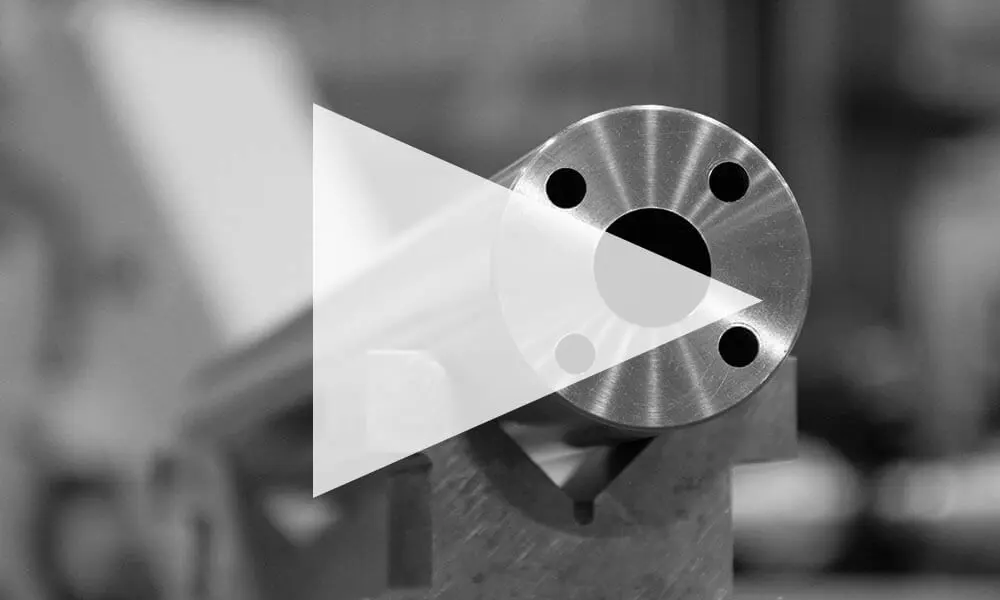
Customer Success Stories
Learn how UNISIG machines help our customers succeed, with proven applications and benefits.

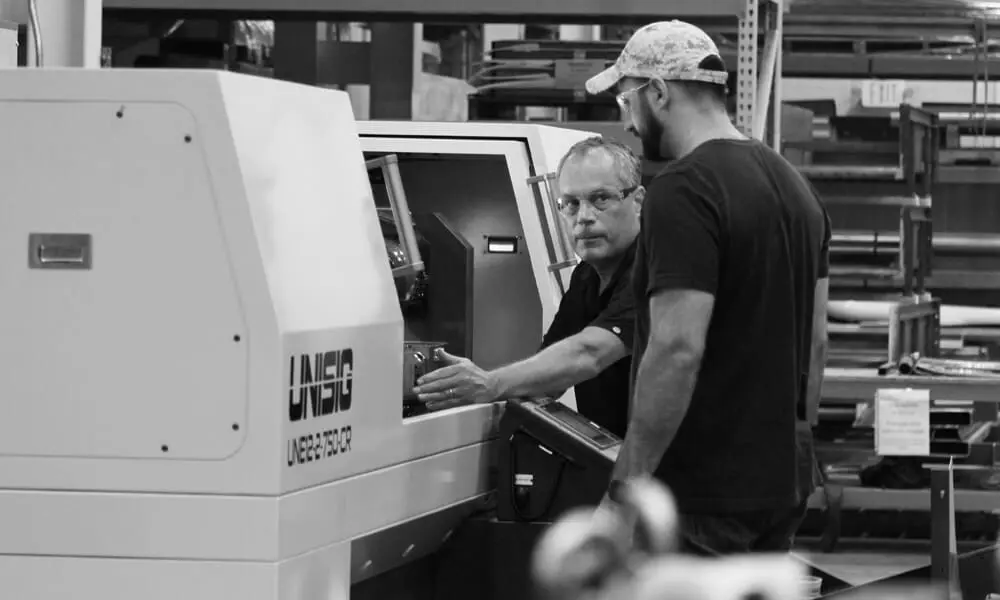
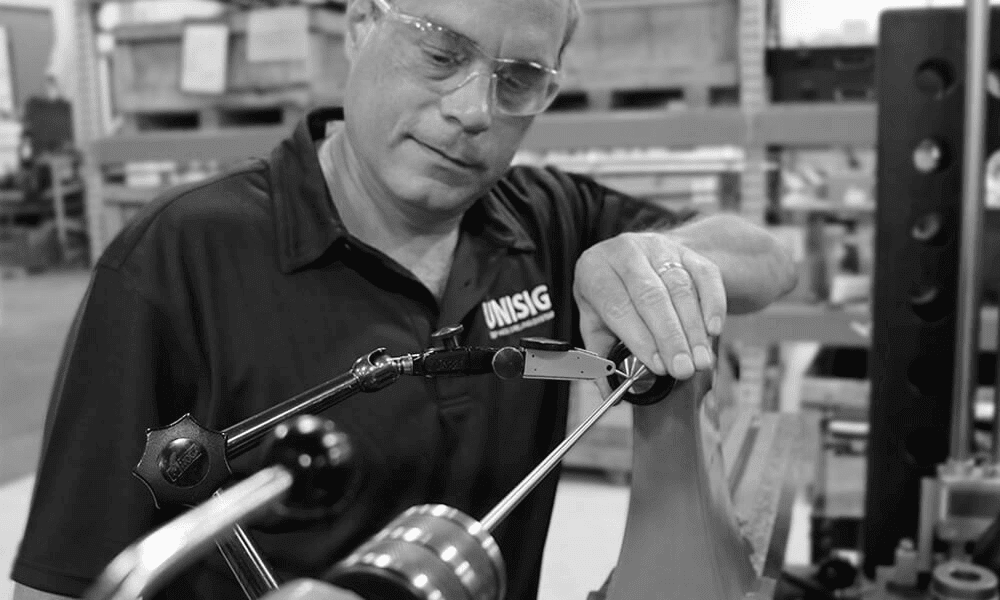
About UNISIG
Learn about UNISIG’s history and our unique approach to developing custom solutions.